What specialty coffee is and why it matters in Ecuador
The term appears on every menu in the country. Here's what it means technically, and why it has a particular history in Ecuador.
The short definition
Specialty coffee is coffee that scores 80 points or more out of 100 on the Specialty Coffee Association cupping scale. The score evaluates fragrance, flavour, acidity, body, balance and the absence of defects, and it's assigned by a certified taster (Q Grader). Below 80 points, coffee is classified as commercial.
It isn't just the score
The score is the result of a chain that starts long before the cup: plant variety, growing altitude, selective picking of ripe cherries, controlled processing — washed, honey or natural — even drying, calibrated roasting and precise extraction. A single failure anywhere lowers the score. That's why specialty coffee costs more: there's more human work per kilo.
Where it grows in Ecuador
Ecuador is one of the few countries producing both arabica and robusta, and the only one growing coffee in all four regions: highlands, coast, Amazon and Galápagos. The altitude zones recognised for specialty profiles are in Loja, Zamora Chinchipe, Pichincha, Manabí, El Oro and Intag. Altitude matters: above 1,200 metres the bean ripens more slowly and develops more sugars and acidity.
The Ecuadorian problem
Ecuador exports much of its best coffee and drinks imported instant. For years the country produced quality beans most Ecuadorians never tasted. That's shifting: the specialty coffee scene in Quito, Cuenca and Guayaquil grew sharply over the past decade, and with it domestic demand for national micro-lots.
How to spot it
Four practical signals: the menu names an origin — farm, region or producer — not just 'coffee'; there's a recent roast date rather than a one-year expiry; at least one filter method is offered alongside espresso; and the barista can describe the cup profile without falling back on 'smooth' or 'strong'.
What we do at PROT INN
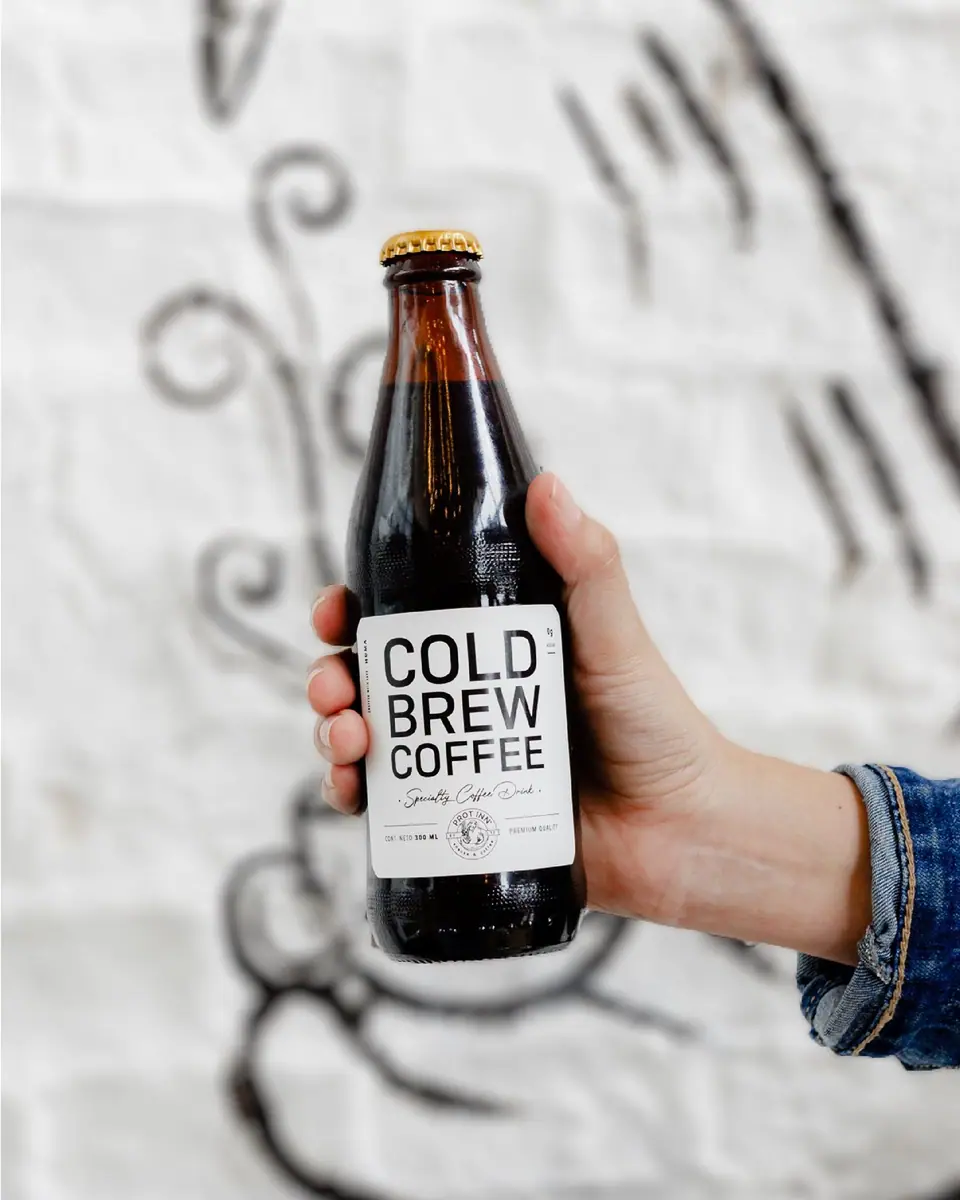
We work with Ecuadorian-origin beans on two roast calibrations: a more developed one for espresso and milk drinks, where the coffee has to cut through milk without disappearing, and a lighter one for filter and cold brew, where we want acidity and fruit notes. The cold brew extracts cold for 18 hours.